Pasco County has issued more than 6,900 residential building permits in each of the past two years. Its population crossed 680,000 in 2025, up from roughly 495,000 a decade ago. Behind those numbers are specific mega-projects, active commercial corridors, and a subcontractor workforce that grows every month to keep pace with demand. This guide maps exactly where the work is, what it pays in relative terms, how to get hired fast, and the licensing path from laborer to contractor - covering ground that no other local resource puts in one place.
Why Pasco County Construction Is Booming Right Now
The permit data tells the clearest story. Between 2022 and 2025, Pasco County issued between 6,765 and 7,758 residential building permits per year - among the highest sustained per-county totals in Florida, tracked through U.S. Census FRED series data. More than 86,000 new residents arrived between 2020 and 2025 alone. That population pressure keeps the permit pipeline full regardless of national interest rate cycles.
Three specific projects explain why this boom is structural rather than temporary.
The Villages of Pasadena Hills is a master-planned development covering more than 20,000 acres in eastern Pasco County between Curley Road and U.S. 301. It is approved for nearly 42,000 homes, more than two million square feet of commercial space, and 500,000 square feet of office development. That is a multi-decade construction pipeline, generating demand across every trade category for years after the first homes go vertical.
Johns Hopkins All Children's Hospital broke ground on a new 114-acre campus in the Wesley Chapel area. It requires both vertical construction crews for the building itself and civil construction crews for roads, utilities, and site preparation. The campus is expected to create more than 300 permanent jobs once operational - which in turn drives surrounding construction for medical office, retail, and housing.
A large-scale Amazon robotics distribution center off State Road 52 - spanning more than 517,000 square feet - was completed in this cycle and brought 500 new jobs to the area. It represents a recurring category: industrial tilt-wall and logistics construction has clustered along the SR-52 corridor near Zephyrhills and continues to attract similar projects.
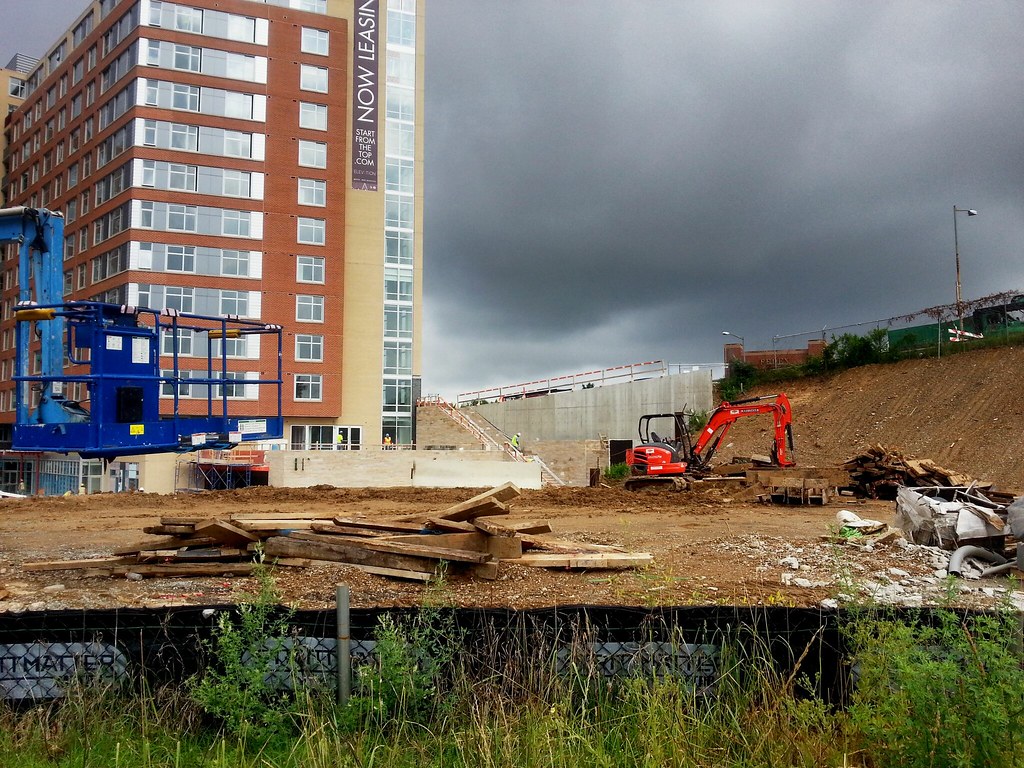
Beyond these anchors, the SR-54 and SR-56 corridors through Wesley Chapel have absorbed hundreds of acres of new commercial pads, retail centers, and mixed-use projects in the past five years, making that corridor among the most active commercial construction zones in the state.
What Construction Jobs Actually Look Like
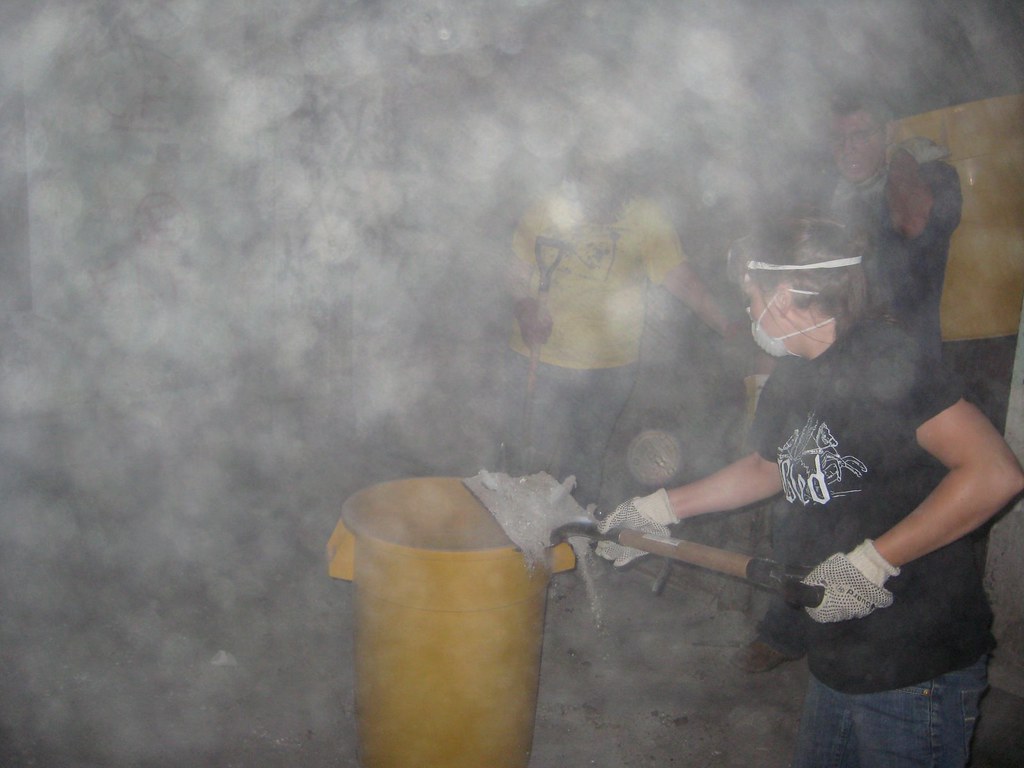
Construction is not a single occupation. It is a stack of distinct roles that can be entered at different skill levels, with clear paths between them.
- General laborer / helper: Moves materials, clears debris, assists tradespeople, runs hand tools. No prior experience required. The standard entry point for workers new to the trade.
- Framing carpenter: Cuts and assembles the wood or metal stud structure of buildings. Fast-paced, physically demanding residential work. Most framers learn on the job within a crew.
- Concrete finisher: Pours, levels, and finishes flatwork and structural pours. High demand on commercial and industrial sites. Finishing skill typically develops over six months to two years.
- Ironworker / rebar installer: Ties and places reinforcing steel before concrete pours. Common on commercial, industrial, and civil projects. Requires comfort working at height.
- HVAC installer / sheet metal worker: Installs ductwork, mechanical units, and refrigerant lines. The licensed portions require a formal apprenticeship or vocational training.
- Electrician: Rough-wires buildings; Florida requires a state electrical license for journeyman-level work. Apprenticeship programs are the standard pathway.
- Plumber: Installs water supply, drain, and gas systems. Licensed in Florida - apprentices work under licensed plumbers while accumulating required hours.
- Project superintendent: Manages field operations, coordinates subcontractors, tracks schedule and quality. Typically requires ten or more years of field experience before this transition.
- Estimator / project manager: Bids work, manages budgets, handles owner relationships. Often a trade-to-office transition for experienced workers who add business skills.
What the Work Pays
Pay in Tampa Bay construction follows a clear hierarchy, and the gaps between levels are large enough to make trade training a genuinely significant financial decision. Entry-level laborers and helpers earn above Florida's minimum wage but well below journeyman rates. Licensed electricians and plumbers in this market typically earn close to double what an entry-level laborer makes per hour - sometimes more on large commercial projects with six-day schedules where overtime adds substantially to weekly take-home. Experienced carpenters land between those two points depending on project type and employer. For current figures broken down by occupation and metro area, the Bureau of Labor Statistics Occupational Employment and Wage Statistics tool at bls.gov gives the most reliable picture - wages shift with inflation and labor conditions faster than any article can track.
Commercial Project Premiums
Workers on large institutional or industrial projects - hospital construction, logistics facilities - sometimes receive per diem allowances when the site is outside their normal range. On a multi-year project, this can meaningfully increase total annual compensation without changing your base rate. Ask about per diem terms before accepting any commercial position that requires an extended commute.
What You Need to Get Hired This Week
The short checklist for most Pasco County construction positions:
- Valid Florida driver's license or government-issued ID
- Reliable transportation to the job site
- Steel-toed boots; basic PPE such as hard hat and safety glasses (larger sites often supply these, smaller subcontractors may not)
- Ability to pass a pre-employment drug screen - standard on commercial and federally connected projects
- Basic communication in English or Spanish; many Pasco crews are bilingual, and Spanish-speaking workers are actively sought by subcontractors throughout the county
One additional step separates applicants: the OSHA 10-Hour Construction Safety Card. It is not legally required to start work, but many general contractors now require subcontractor workers to carry one, and having it before you apply signals to employers that you take site safety seriously. Workers who show up with the card skip the wait.
Getting Your OSHA 10 Card: The Fastest Route
The OSHA 10-Hour Construction Safety Course is a standardized training recognized across the industry. Here is the exact process for workers in this region.
- Choose your format. The course runs online (self-paced, typically spread over a few days) or in person. Tampa Bay Training at tampabaytraining.com is an OSHA-authorized provider serving this region. They offer sessions in both English and Spanish - important for the bilingual workforce common on Pasco sites.
- Complete the required content. The curriculum covers fall protection, electrical hazards, struck-by and caught-in hazards, and personal protective equipment. It is practical and job-site focused, not academic.
- Receive your temporary certificate immediately. Upon finishing the course, a temporary completion document is available right away - printed in a classroom or downloaded online. You can show this to an employer the next morning.
- Wait for the wallet card. The official OSHA wallet card arrives by mail within 60 to 90 days of completion. Keep your temporary certificate until it arrives; most employers accept it in the interim.
- Check current pricing directly. Course fees vary by provider and format. Go to tampabaytraining.com for current rates rather than relying on any figure cited elsewhere.
If you are targeting a foreman or supervisor role within the next year, look into the OSHA 30-Hour course. Many general contractors on commercial projects now expect lead workers to carry the 30-hour card rather than the 10-hour version.
Two Ways to Get Hired: National Builders vs. Local Subcontractors
The most common mistake job seekers make in this market is applying only to the names they recognize - Lennar, Pulte, D.R. Horton - and waiting for a response that rarely comes. Major national builders do not employ most of the people who build their houses.
Lennar, the largest builder in the Tampa region with communities in Wesley Chapel, Land O' Lakes, and Lutz, along with D.R. Horton, Pulte (currently building the Enclave at King Lake in Pasco), Taylor Morrison, and M/I Homes, hire direct employees primarily for sales, warranty service, and field supervision. The actual construction - framing, concrete, roofing, electrical, plumbing, drywall, painting - is done almost entirely by subcontractor crews. Those subcontractors are small to mid-sized companies, many of which you have never heard of. They are almost always hiring.
How to Find the Subcontractors Actually on Site
The most direct route is also the one no job board captures: show up at an active site. The SR-54/56 corridor in Wesley Chapel has dozens of active residential and commercial projects visible from the road. A framing or concrete crew working on a subdivision is almost always a subcontractor with its own hiring. Arrive before 7 a.m., ask for the superintendent or crew lead, and ask who is hiring and who their subcontractors are. Many crew leads hire laborers and helpers on the spot.
For large commercial or institutional projects - the Johns Hopkins campus, industrial work on SR-52 - site access is controlled and walk-ins are not practical. For those, search for the general contractor, identify their subcontractors, and contact the subs directly. Major contractors with active Tampa Bay hiring include Kimmins Contracting, Harper Limbach LLC, Stellar, and Speeler Companies, all of which post on Indeed and their own career pages.
Where the Work Is Concentrated in Pasco County
Pasco County covers a large geographic area. Knowing which corridors are active saves you from driving an hour to a site where nothing is moving.
- SR-54/56 corridor, Wesley Chapel: The most active commercial construction zone in the county. Retail centers, medical offices, mixed-use projects, and apartment complexes have driven continuous activity here for five years, spreading west and east from the I-75 interchange. Residential subdivisions supporting this growth extend into Land O' Lakes and Zephyrhills.
- SR-52 industrial corridor, near Zephyrhills: Industrial and logistics construction. Tilt-wall warehouse, site utilities, and building systems work dominate. The Amazon facility is one example of the recurring activity type here.
- US-19 corridor, New Port Richey: Older corridor with renovation, commercial retrofit, and some new construction. More accessible to workers on the west side of the county. Job board listings in New Port Richey alone numbered more than 1,200 on major platforms as of mid-2026.
- Eastern Pasco - Villages of Pasadena Hills footprint: The long-range growth zone. Infrastructure and horizontal construction are in early phases; vertical construction will scale over years. Workers who get in on infrastructure phases often stay through vertical phases on the same project.
To track which areas are currently pulling permits, use the Pasco County Building and Construction Services permit search portal. Filter by permit type and issue date. A cluster of recent permits in a specific zip code shows you where crews will be working for the next six to eighteen months.
Moving Up: Florida's Contractor Licensing Path
Florida makes a distinction that most local job guides ignore entirely: Registered Contractors versus Certified Contractors. Understanding the difference early sets the direction of your career.
| Criterion | Registered Contractor | Certified Contractor |
|---|---|---|
| Where you can work | Only in the county that issued your Certificate of Competency | Anywhere in Florida |
| Who issues it | Local county or municipality | Florida DBPR / CILB at state level |
| State exam required | Varies by county - not always required | Yes - proctored state exam through CILB |
| Financial requirements | Must be 18; must meet credit threshold or carry surety bond | Same age and credit or surety bond requirements apply |
| Best for | Workers who plan to operate locally and want a faster licensing path | Workers who want statewide bidding ability or plan to build a larger business |
The Construction Industry Licensing Board (CILB), under the Florida Department of Business and Professional Regulation (DBPR), handles certified contractor licensing statewide. The DBPR's public portal is myfloridalicense.com - that is where you verify a license, review exam requirements, and start an application. It is also where you can confirm that any employer or contractor you plan to work for holds a current, active license before you sign anything.
CareerSource Tampa Bay identifies construction as the top growing industry in Florida and maintains a list of more than ten active apprenticeship programs in the region, covering trades from bricklaying and masonry to HVAC and elevator construction.CareerSource Tampa Bay
Apprenticeship hours count toward the field experience required for licensure in most trade categories. If you are planning for a contractor license five to eight years out, starting an apprenticeship now rather than working general labor covers both your immediate income and your long-term licensing clock simultaneously.
Where to Apply and Who to Call
More than 2,900 construction job listings were posted in Pasco County on Indeed as of mid-2026. Here is how to use that volume without getting lost.
Job boards. Search Indeed.com and Glassdoor.com filtered to Pasco County, FL under the Construction category. Narrow further by trade title - laborer, framing carpenter, electrician - to cut noise. New subcontractor listings appear daily; check every morning rather than weekly.
National builder career pages. Use Lennar.com/careers, PulteGroupJobs.com, and DRHorton.com/careers for management-track, warranty, and supervision roles if you have the background. These are not the path for field labor work.
Large local contractors. Kimmins Contracting, Harper Limbach LLC, Stellar, and Speeler Companies post on their own career pages and on Indeed. These firms work on commercial and institutional projects where multi-year work is more common than residential subdivision cycles.
CareerSource Pasco. Free pre-employment help: resume assistance, interview prep, and connections to apprenticeship programs. CareerSource maintains employer relationships and sometimes knows about openings before they are posted publicly.
Tampa Bay Builders Association. The member directory lists builders and subcontractors active in the region. This is your starting point for identifying which subcontractors are operating in Pasco County and how to reach them directly, bypassing job boards entirely.
Frequently Asked Questions
Do I need prior experience to get a construction job in Pasco County?
No. General laborer and helper positions consistently hire workers with no construction background. Employers expect physical fitness, reliability, and the ability to follow direction. Getting your OSHA 10 card before you apply will put you ahead of other inexperienced applicants on most sites.
Is showing up at a job site in person actually a realistic way to get hired?
Yes, for residential and smaller commercial work on active corridors like SR-54/56. Arrive before 7 a.m. and ask for the superintendent or crew lead. For large controlled-access projects like the Johns Hopkins campus or industrial sites, apply through the general contractor's website or contact their listed subcontractors directly - walk-ins are not practical there.
What is the practical difference between a Registered and Certified contractor in Florida?
Registered contractors are limited to the county that issued their Certificate of Competency. Certified contractors pass a state exam and can work anywhere in Florida. If you have any plans to grow beyond Pasco County, pursue the certified path from the start - converting later adds cost and delay. Current exam requirements and financial thresholds are at myfloridalicense.com.
How long does the OSHA 10 card take to arrive after I finish the course?
You receive a temporary certificate immediately upon finishing - most employers accept it right away. The official wallet card follows by mail within a few months. Do not wait for the card before applying; use the temporary certificate the next day.
Can I work construction in Pasco County if I speak mainly Spanish?
Yes. Many subcontractor crews throughout the county are bilingual, and Spanish-speaking workers are actively sought. The OSHA 10 course is available in Spanish through Tampa Bay Training at tampabaytraining.com, and CareerSource Pasco offers services in Spanish as well. Workers who can communicate with both English-speaking supervisors and Spanish-speaking crews are especially valued in lead and foreman roles.
How do I find out which parts of Pasco County are actively pulling construction permits right now?
Use the Pasco County Building and Construction Services permit search portal, filter by permit type and recent issue date, and look for zip codes with a concentration of recent activity. That gives you current ground truth on where crews will be deployed for the next several months - more reliable than any static article snapshot.