Landscaping in Pasco County and the wider Tampa Bay area is not a stopgap. It is a structured labor market with hundreds of active openings, a genuine pay ladder, and a year-round season that makes the work fundamentally different from what exists in colder states. If you have no background in the trade, that is fine - most entry-level positions say exactly that. What this guide covers is the real hiring path, the specific employers active in this market right now, and the Florida-specific licensing system that most applicants never find on their own.
Why Florida Landscaping Is a Real Career, Not Just a Summer Job
In most northern states, outdoor grounds crews are idle for five to seven months of the year. Florida does not have that problem. Grass grows, ornamental plants bloom, and irrigation systems run every month. That structural fact creates something rare in manual labor: full-time, year-round employment that does not disappear in fall.
Pasco County amplifies this further. The county has been among Florida's fastest-growing for over a decade, and that growth shows up directly in landscaping demand. Every new subdivision in Wesley Chapel or Land O' Lakes needs installation and ongoing maintenance. Every commercial property along State Road 54 adds grounds service contracts. Every HOA in Zephyrhills or New Port Richey is under agreement with a maintenance company. Indeed currently lists hundreds of active lawn care postings in Pasco County, with the greater Tampa Bay market carrying several hundred more. The volume is not seasonal - it is structural.
The pay range across the trade is wide enough to reward advancement. Entry-level laborers earn a competitive hourly rate for outdoor manual work with no required credentials - current figures are on ZipRecruiter's Tampa Bay salary pages. Crew leaders earn noticeably more. Foremen at established companies earn substantially more still, with experienced foremen reaching annual compensation levels that would surprise most people who associate landscaping only with its lowest rung. Salary.com's Florida foreman data is worth checking before any negotiation. The path from one level to the next follows a specific sequence of skills and, in some cases, state-issued licenses.
What the Jobs Actually Look Like
There are four meaningfully distinct roles in commercial and residential landscaping. Treating them as a single lawn job is how applicants miss opportunities and how employers miss candidates who are already partially qualified for a higher-paying position.
Maintenance Laborer
This is the entry point. A maintenance laborer on a residential or commercial crew mows, edges, blows, trims shrubs, mulches beds, and removes debris. The work is physically demanding: sustained outdoor exertion in Florida heat, repetitive motion, and regular heavy lifting. A valid driver's license is the main prerequisite. No prior experience is required.
Chemical Spray Technician
Spray techs apply pesticides and herbicides to lawns, ornamental beds, and plant material. This role requires a Florida pesticide certification, and Florida runs a two-tier system that most applicants do not know exists before they start. Pay runs higher than laborer work because of the credential and the liability involved. TruGreen's residential lawn specialist positions are a typical example of this role type.
Irrigation Technician
Irrigation techs install, repair, and program residential and commercial irrigation systems. The work involves trenching, pipe fitting, controller programming, and troubleshooting. This is the most technically demanding field role in landscaping, and it has its own separate licensing path through the Florida Construction Industry Licensing Board. The pay premium over laborer work is significant, and experienced irrigation contractors earn at the foreman level or above.
Crew Leader and Foreman
Crew leaders manage a small team on daily routes, handle equipment logistics, and report to supervisors. Foremen manage multiple crews, own scheduling, and carry accountability for quality and job completion. Both roles reward demonstrated experience, and employers in high-growth markets like Pasco County often promote faster than the industry average because of persistent crew shortages.
Who Is Actively Hiring in Pasco County and Tampa Bay
Several national and regional employers have active postings in this market right now.
BrightView Landscapes, the largest commercial landscaping company in the country, has posted landscape laborer and leadman positions in Lutz and Seffner. BrightView runs large commercial contracts for office parks, HOAs, and retail centers, which means steady hours and structured onboarding rather than day-to-day uncertainty.
TruGreen has posted residential lawn specialist and aerator positions in Brooksville, near the Hernando-Pasco county line. TruGreen operates a production-volume residential model where trained applicators service large daily route lists. Check their careers page for current pay ranges, which are updated more reliably there than on aggregators.
Massey Services, headquartered in Orlando and one of the largest regional lawn and pest employers in Florida, is recruiting lawn specialists in Wesley Chapel. Because Massey handles both pest control and lawn care, employees gain exposure to two separate certification tracks from a single employer - an advantage for workers who want to advance quickly.
Trimen Landscape runs commercial maintenance crews across Hillsborough, Pinellas, and Pasco counties and recruits directly through its website. Worth applying there rather than waiting for an Indeed posting to appear.
Pasco County government posts grounds and parks maintenance positions through GovernmentJobs.com. The bar is higher than private entry-level - a diploma or GED and documented groundskeeping experience are required - but the tradeoff is county benefits, retirement contributions, and scheduling stability that private employers rarely match. For workers with experience, this pathway is underused.
Local independent crews hire constantly and often offer faster advancement than national chains. Craigslist Tampa Bay under landscaping and lawn care reaches small operators that never bother with Indeed.
What Employers Actually Require
Entry-level landscaping positions in this market have a short, practical requirements list. Here is what shows up consistently across postings:
- A valid Florida driver's license - non-negotiable at every company operating trucks and trailers
- A clean motor vehicle record - commercial insurance carriers require employers to pull your driving history before your first day; DUI convictions and suspended license history disqualify candidates at most nationals
- Physical capacity for sustained outdoor work in Florida heat and humidity
- Ability to lift heavy materials repeatedly - mulch, equipment, and debris are part of every day
- Availability for early-morning starts - commercial crews in summer stage and depart before the worst heat builds, which in Florida can mean pre-dawn departures
Prior experience is explicitly not required at most entry-level postings. What actually helps you stand out in an interview:
- Any prior outdoor labor, even from unrelated fields like construction or roofing
- Basic familiarity with gas-powered equipment, including personal lawn mowing
- Mentioning that you intend to pursue the FDACS pesticide certificate quickly - it signals upward intent to hiring managers who are used to churn at the laborer level
- Spanish language skills, which are practically useful on mixed crews throughout the Tampa Bay market
Florida's Pesticide Certification System for Landscapers
This is where most applicants - and most generic job guides - miss the picture entirely. Florida runs a two-tier certification system that determines what you are legally allowed to spray, and understanding it directly affects what you can earn.
The FDACS Limited Commercial Landscape Maintenance Certificate
The Florida Department of Agriculture and Consumer Services issues this certificate specifically for landscape maintenance workers. It authorizes the holder to apply pesticides to ornamental plants and plant beds. The exam has a fee and the certificate renews annually for a separate fee - check the FDACS website for current amounts and the study guide for this specific category. Getting this certificate moves you off the lowest-paid crew roles and into positions where you can legally handle pesticide applications on ornamentals.
The critical limitation: this certificate does not authorize application to turf grass. Weed control on lawn surfaces, pre-emergent products, and anything applied to the grass itself requires a different license entirely.
The Broader Chapter 482 Pesticide Applicator License
This certification under Florida law covers turf, structural, and pest control applications that the FDACS landscape certificate does not. Workers without it must be directly supervised by a licensed pest control operator on any qualifying application. Employers like TruGreen and Massey Services typically sponsor employees through this exam as a condition of advancement into full spray tech roles. The exam has its own fee and renewal cycle - see the FDACS licensing pages for current requirements.
Florida's two-tier pesticide certification system is not obvious from the outside. Most applicants learn it exists only after they are already on the job. Understanding both tiers before you apply puts you ahead of the majority of candidates walking in the door.
The Irrigation Technician Upgrade
Irrigation is the highest-earning track inside field landscaping, and it has its own licensing path that most people outside the trade never encounter.
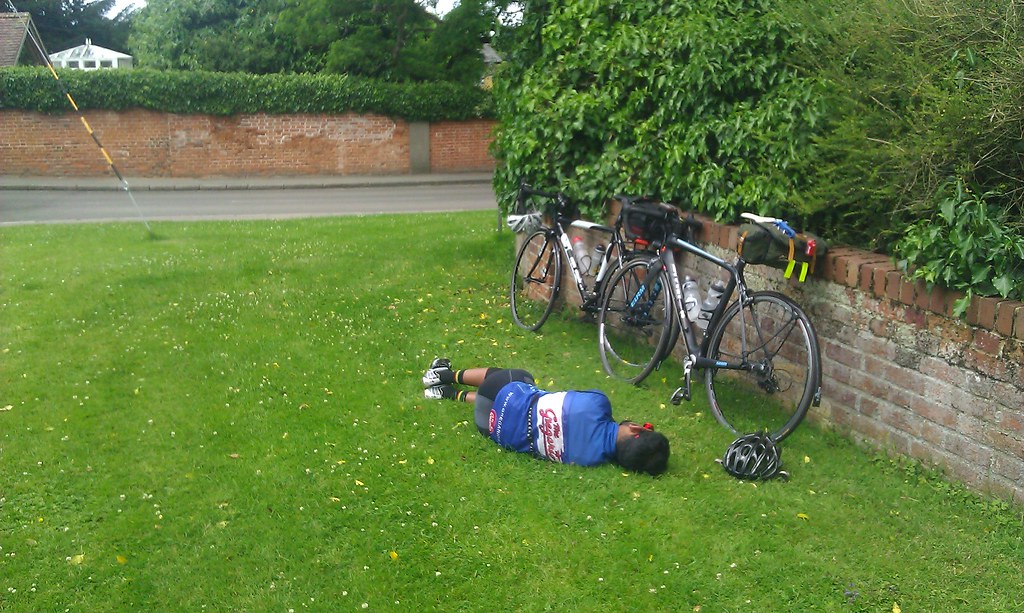
An irrigation technician installs and maintains the underground pipe, spray heads, valves, and controllers that water commercial and residential properties. The work requires reading plans, troubleshooting pressure and coverage problems, programming controllers, and performing trench-and-connect work. It is skilled trades work, not routine maintenance, and the pay reflects that from the start.
The formal license - the Florida CILB Irrigation Specialty Contractor license - opens the door to pulling permits, signing off on installations, and eventually running jobs independently. The path requires documented field experience over multiple years, including time at a supervisory level, passing two separate exams (one on business and finance, one on irrigation trade knowledge, each requiring a minimum passing score), and obtaining backflow certification. Initial licensing fees are substantial - check the CILB fee schedule at myfloridalicense.com for current amounts. The path takes longer than the FDACS landscape certificate, but it is a full trades license that commands licensed-contractor rates.
The practical entry: start as a laborer on a crew that handles both maintenance and irrigation work. Ask to assist irrigation techs during your first year. Companies like BrightView and Trimen run integrated crews where cross-training is possible without changing employers.
The Pay Ladder from Laborer to Foreman
| Role | License Required | Typical Path to Reach | Pay Tier |
|---|---|---|---|
| Maintenance Laborer | None (driver's license only) | Starting point | Entry |
| Chemical Spray Tech | FDACS Landscape Cert or Ch. 482 | 3-12 months | Moderate premium over laborer |
| Crew Leader | No state license; employer criteria apply | 1-2 years | Noticeably higher than laborer |
| Irrigation Tech (licensed) | CILB Irrigation Contractor License | Several years of field work | Substantially higher |
| Foreman | No state requirement; Ch. 482 common | 3-5 years | Highest in field operations |
What triggers each step: the laborer-to-spray-tech jump requires earning the FDACS certificate and demonstrating consistent reliability. Spray techs who can route themselves, handle client interaction, and manage a helper become crew leaders. Crew leaders who reduce callbacks, own scheduling problems, and develop the workers under them become foremen. None of these moves require waiting for a formal review cycle. In a market as active as Pasco County's, you can accelerate by asking directly for certification training, completing the credential work on your own time, and making your ambitions explicit to your supervisor rather than waiting to be noticed.
New Port Richey landscape positions average somewhat higher than the county baseline overall, reflecting the commercial property density along U.S. 19. That differential makes the corridor worth targeting specifically if you already hold spray tech credentials. For current wage data by city and role, ZipRecruiter's location-specific salary pages and salary.com's Florida occupation data are the most reliably updated public sources.
How to Apply and What to Expect in the Hiring Process
- Search Indeed for "lawn care" or "landscape laborer" filtered to Pasco County, FL. Sort by date posted - the volume is high, and the freshest postings fill fastest.
- Go directly to career pages for BrightView, TruGreen, Massey Services, and Trimen Landscape. National companies sometimes fill positions before listings propagate to aggregators.
- Check Craigslist Tampa Bay under skilled trades and lawn care. Local independent crews post here specifically because it reaches workers who are not circulating on job boards.
- Apply to Pasco County government positions through GovernmentJobs.com if you have documented groundskeeping experience and want the county benefits structure.
- Pull your Florida MVR from the FLHSMV site before any employer asks for it. Know what is on it and be ready to discuss it honestly.
Interview expectations at entry level are minimal. Hiring managers want to confirm you can show up consistently, handle physical work, and operate equipment safely. Drug testing is standard at all national companies and most mid-size regional operators - pre-employment urinalysis is the norm, and random testing is common in roles involving vehicles or pesticide handling. Background checks at the laborer level focus primarily on the driving record. Start dates move quickly: with hundreds of open positions across the market, most employers can place you on a crew within a week of an offer.
Surviving and Advancing on the Job
Florida Heat and Start Times
Reputable commercial landscaping companies start crews early specifically to finish the heaviest outdoor work before midday heat peaks. In summer, this means pre-dawn staging and departure for many operations. Florida OSHA guidance requires employers to provide water, rest breaks, and shade access for outdoor workers during heat conditions. When evaluating a potential employer, ask directly how they handle heat illness prevention. A company with a written heat protocol and scheduled mandatory water breaks is operating correctly. An employer who cannot answer the question or dismisses it is a genuine warning sign - heat illness in Florida summer is a serious hazard, not a minor inconvenience.
Equipment You Will Operate
- Commercial walk-behind and riding mowers, including zero-turn models standard on production crews
- String trimmers and stick edgers
- Backpack and handheld blowers
- Truck and trailer combinations - basic backing skills matter from day one
- Backpack sprayers and tank sprayers once you hold pesticide certification
How to Request Certification Support
Ask your supervisor in your first 60 days whether the company sponsors the FDACS landscape certificate exam. Many established employers do. If yours does not, the exam fee is modest enough - check FDACS for the current amount - that self-sponsoring is practical. Presenting a newly earned certificate to your supervisor is the most reliable way to open a direct conversation about a pay adjustment rather than waiting for an annual review.
Red flags to watch for: employers who pay only cash with no pay stub, who cannot tell you the license status of their spray techs, or who ask you to apply pesticides before you hold any certification. Unlicensed pesticide application in Florida carries state penalties that can follow your record and affect your ability to get licensed later.
Frequently Asked Questions
Do I need any experience to get a landscaping job in Pasco County?
Most entry-level laborer postings explicitly state no prior experience is required. The primary requirements are a valid Florida driver's license, a clean motor vehicle record, and the physical capacity for sustained outdoor labor. Showing up prepared and reliable matters more than credentials at this level.
How long does it take to get the FDACS Limited Commercial Landscape Maintenance certificate?
No supervised apprenticeship hours are required before you can test - the process involves an application and a written exam. Many workers prepare in a few weeks using FDACS study materials and take the exam at a scheduled testing center. Check the FDACS website for the current exam fee, test center locations in the Tampa Bay area, and the official study guide for this certificate category.
What is the practical difference between TruGreen, BrightView, and Massey Services as employers?
TruGreen focuses on residential lawn treatment programs, so employees typically work solo routes rather than team crews - more independence, less crew interaction. BrightView operates large commercial contracts with team-based structured crews. Massey Services covers both lawn care and pest control, which gives employees access to two certification tracks from a single employer. The right fit depends on whether you prefer independent route work or crew-based operations.
Is the Pasco County government landscaping job worth applying for compared to private employers?
The county requires more experience upfront and the hiring timeline is longer than private employers. The tradeoff is county benefits - health insurance, retirement contributions, and paid leave - that private landscaping companies rarely offer. If you already have two or more years of documented groundskeeping experience, the county pathway is worth the slower application process.
Can I do irrigation work without holding the Florida CILB contractor license?
You can assist with and perform irrigation installation and repair work under the supervision of a licensed contractor without your own license. Many technicians spend several years building skills at this level before pursuing the CILB license. The license is required only if you want to pull permits, sign off on installations, or operate as an independent irrigation contracting business.
What is a realistic timeline to go from no experience to crew leader?
Workers who stay consistent and earn the FDACS certificate within their first year can typically move into spray tech roles at the six-to-twelve-month mark. Crew leader generally follows at around eighteen to twenty-four months for workers who demonstrate reliability and take informal leadership on the job. In Pasco County's active hiring market, employers are often motivated to move workers up faster than that if you make your intentions clear rather than waiting to be discovered.