Florida's hurricane coast and population surge have turned Tampa Bay into one of the busiest roofing labor markets in the country. Pasco County alone logged nearly 7,000 new residential construction permits in 2025, and that volume extends across Hillsborough, Pinellas, and Hernando counties where population growth, aging housing stock, and storm damage combine to keep roofing crews working year-round. The entry points are genuinely accessible - no experience required for the first rung - and the earning potential at the top competes with many white-collar careers.
Why Tampa Bay Is One of the Strongest Roofing Markets in America
Hurricanes as a Hiring Engine
Three major storms - Ian in 2022, then Helene and Milton in 2024 - drove the busiest roofing weeks in Tampa Bay recorded history. Ian alone caused roughly $65 billion in Florida property damage, pulling crews from across the country into the state for months. The more important dynamic for anyone building a career here is what follows a storm: insurance settlements fund re-roofs, homeowners upgrade to sturdier materials, and local contractors hire to handle the volume. Metal roofing installations surpassed a quarter of all residential re-roofs in coastal Pinellas and Hillsborough counties following Ian, as homeowners shifted toward storm-resistant systems. That trend sustains demand for installers with metal roof experience - a skill that now commands a premium in this market.
New Construction Adds a Second Engine
Pasco County issued 6,938 new residential permits in 2025 - a 105 percent year-over-year increase. As recently as September 2026, the county logged more than 500 new permits worth over $200 million in construction value in a single month. Every new home needs a roof before it can close. This pipeline operates independently of storm cycles and provides stable work in Wesley Chapel, Land O' Lakes, Zephyrhills, and New Port Richey that storm-chasing jobs cannot match. Pasco County requires a building permit for every roofing replacement - no project is exempt based on cost - and Hillsborough County imposes similar rules once repairs reach a certain square footage. That permit requirement means every legitimate roofing job generates inspections and documented labor year-round. Check the Pasco County Building Department and Hillsborough County Building Services websites for current permit thresholds and fee schedules before accepting or quoting any work.
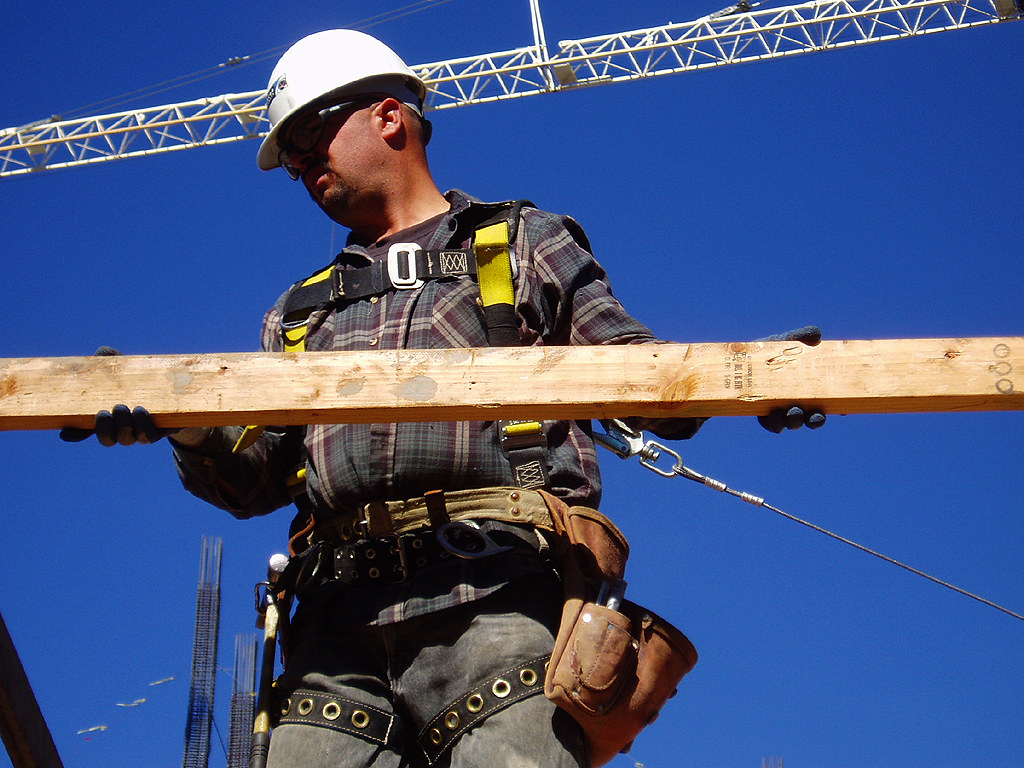
Types of Roofing Jobs
The roofing industry offers more distinct career tracks than most people expect. The core installation path runs from day laborer to licensed contractor, but parallel tracks in sales, estimating, and project management offer different risk/reward profiles and suit people with different skills.
| Role | Experience Needed | License | Relative Pay |
|---|---|---|---|
| Helper / Laborer | None | None | Entry hourly |
| Apprentice / Installer | 6 months - 2 years | None | Mid hourly |
| Lead Tech / Foreman | 3 - 5 years | None (works under CCC) | Upper hourly or salary |
| CCC Licensed Contractor | 4 years min, 1 as foreman | Florida CCC required | Highest; can run own business |
| Estimator / PM / Sales | Varies by role | None (employer holds CCC) | Salary or salary plus commission |
The Installation and Repair Track
A helper carries materials, moves equipment up ladders, and cleans debris. After six months to a year of productive work, most helpers move into an installer role - actually laying shingles, flashing, and underlayment under supervision. A journeyman installer with two to four years of experience handles most standard residential work independently. The foreman or lead technician role follows: managing a small crew, handling customer interaction on site, and ensuring code compliance on each job. This supervisory experience is also what the state requires before you can sit for the CCC contractor exam.
Sales, Estimating, and Project Management
These roles do not require a CCC license. Estimators write bids and scope projects. Project managers coordinate crews, materials, and timelines across multiple jobs simultaneously. Sales representatives - especially those working storm damage claims - are among the highest earners in the trade. Storm damage sales reps go door-to-door after hurricanes, help homeowners navigate insurance claims, and earn commission on closed jobs. The income spread is wide and the work is tied to storm patterns, but top performers in this niche earn more in a single year than most licensed contractors.
What Roofers Actually Earn in Pasco County and Tampa Bay
The national median wage for roofers, according to BLS data for 2025, sits in the mid-$50,000s per year. Tampa Bay roofers as of late 2026 earn roughly 35 percent above that figure on average - a gap driven by storm demand, permitting volume, and the competitive labor market in coastal Florida. These figures reflect published market data; check BLS.gov and current job postings for updated numbers as market rates shift.
Entry-Level Pay
Roofer helpers in Florida typically start in the $12-$19 per hour range. Some Tampa Bay employers post starting wages of $18-$22 per hour specifically to attract workers with no prior roofing experience, reflecting a labor shortage rather than the complexity of the work. A helper who shows up reliably and learns quickly can often move off the entry-level pay tier within six months.
Skilled and Supervisory Pay
Lead technicians and foremen in Tampa Bay earn roughly $24-$28 per hour, or in the $85,000-$125,000 range annually for salaried supervisory and lead repair positions. These figures reflect the premium the market places on workers who can run a crew, handle inspections, and take responsibility for job quality without constant oversight.
Estimators, Project Managers, and Sales
Roofing estimators in Tampa earn in the mid-$70,000s per year on average. Project managers average over $100,000 annually, with experienced PMs at larger commercial firms reaching into the low-to-mid $100,000s. Sales representatives show the widest spread of any role in the industry: a residential re-roofing rep might earn in the $44,000-$50,000 range in a slow year, while a storm damage specialist working insurance claims after a major hurricane can post $75,000-$300,000 or more. The storm-chasing sales track is volatile - a quiet season is a lean season - but nothing else in the trade offers comparable upside without a contractor's license.
How to Get Your First Roofing Job With No Experience
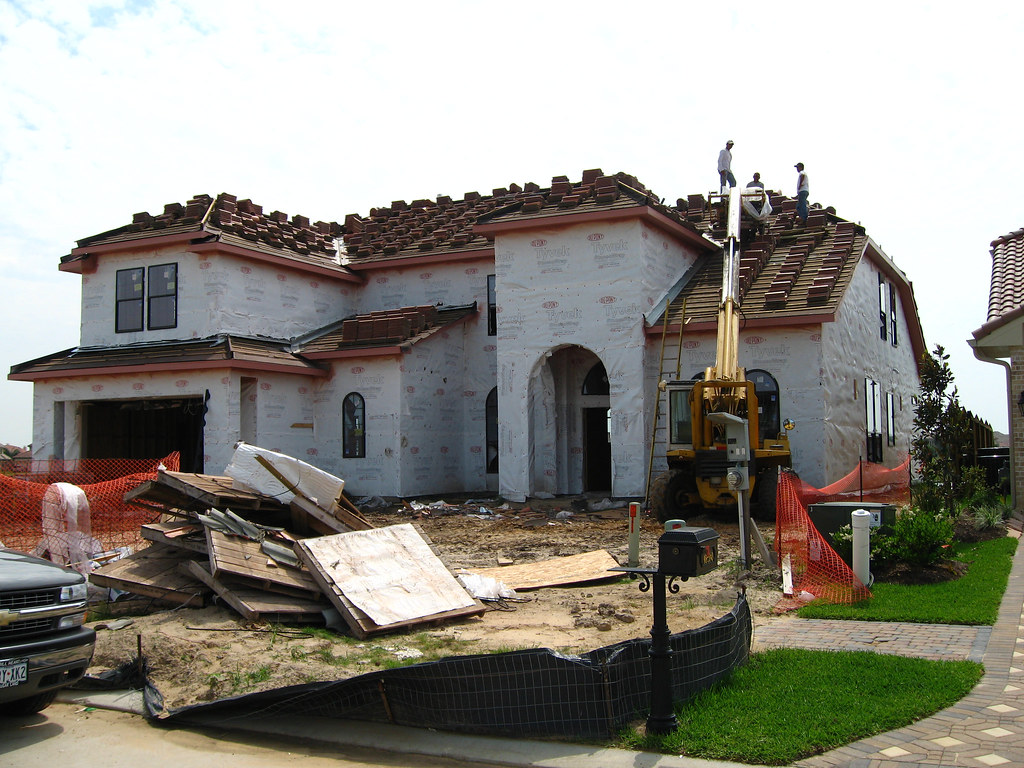
Roofing is one of the few skilled trades where you can start earning within days of applying. What employers in Pasco County and Tampa Bay screen for at the entry level is not experience - it is reliability, physical fitness, and the ability to work in Florida heat.
- Valid driver's license: required for riding in company trucks to job sites, which change location daily
- Steel-toed boots: many employers require these on day one and expect you to bring them to any interview
- Ability to lift 50-80 pounds repeatedly and move on pitched surfaces without freezing up
- No fear of heights: the most common reason new hires quit the first week
- Availability for early starts: most Florida roofing begins at 6:00 or 7:00 a.m. to avoid midday heat
A first week typically involves riding to job sites, moving material bundles from the truck to the staging area, cleaning up torn-off debris, and watching how experienced installers work. It is physically demanding - temperatures on a black shingle roof in a Florida August can exceed 150 degrees at the surface. Employers know this and expect some first-month turnover, which is exactly why they hire people with no background.
- Search "roofing helper" or "roofing laborer" on Indeed, ZipRecruiter, and Craigslist - small roofing companies in this market still post on Craigslist regularly and do not always use major boards
- Call rather than apply online when possible - most roofing companies are small and the owner or foreman answers directly, which moves things faster than an applicant tracking inbox
- Show up in work clothes with boots when you interview - it signals you understand what the job actually involves
- Ask whether the company pays for certifications and covers apprenticeship costs - this tells you something about whether they invest in workers long-term
- Expect a probationary first few weeks - most employers want to confirm you can handle the physical demands before committing to full-time hours and the overhead that comes with an insured employee
The Florida CCC Roofing License
Florida issues two levels of roofing contractor license. The Registered Contractor (RC) credential is valid only in the county or municipality that issued it. The Certified Roofing Contractor (CCC) is a statewide credential valid anywhere in Florida. For anyone working or running jobs across Tampa Bay - spanning Pasco, Hillsborough, and Pinellas counties - only the CCC covers every site. The RC is not a stepping stone to the CCC; they are separate credentials with different scopes and separate application processes.
The CCC is a statewide credential; the RC stops at the county line. In a region that spans Pasco, Hillsborough, and Pinellas counties, only the CCC covers every job site in the market.
To qualify for the CCC exam, you need four years of verifiable roofing experience with at least one year in a foreman or supervisory role. The licensing process requires passing two separate exams administered by Pearson VUE: a Roofing Trade Knowledge exam and a Business and Finance exam, both requiring a minimum passing score. Candidates with documentation in order typically complete the full process - application, exam scheduling, and state approval - in roughly three months. The Florida Department of Business and Professional Regulation (DBPR) manages CCC licensing; visit myfloridalicense.com for current requirements, fees, and application materials, as these details are updated periodically.
- Four years of verifiable roofing experience, at least one year in a foreman or supervisory role
- Documentation to prove experience: employer letters, tax records, or notarized affidavits
- Passing scores on both the Roofing Trade Knowledge exam and the Business and Finance exam
- Workers' compensation insurance and general liability coverage established before licensure is finalized
- Application submitted through Florida DBPR at myfloridalicense.com
Safety Requirements and Workers' Comp Every Roofer Should Understand
OSHA Fall Protection
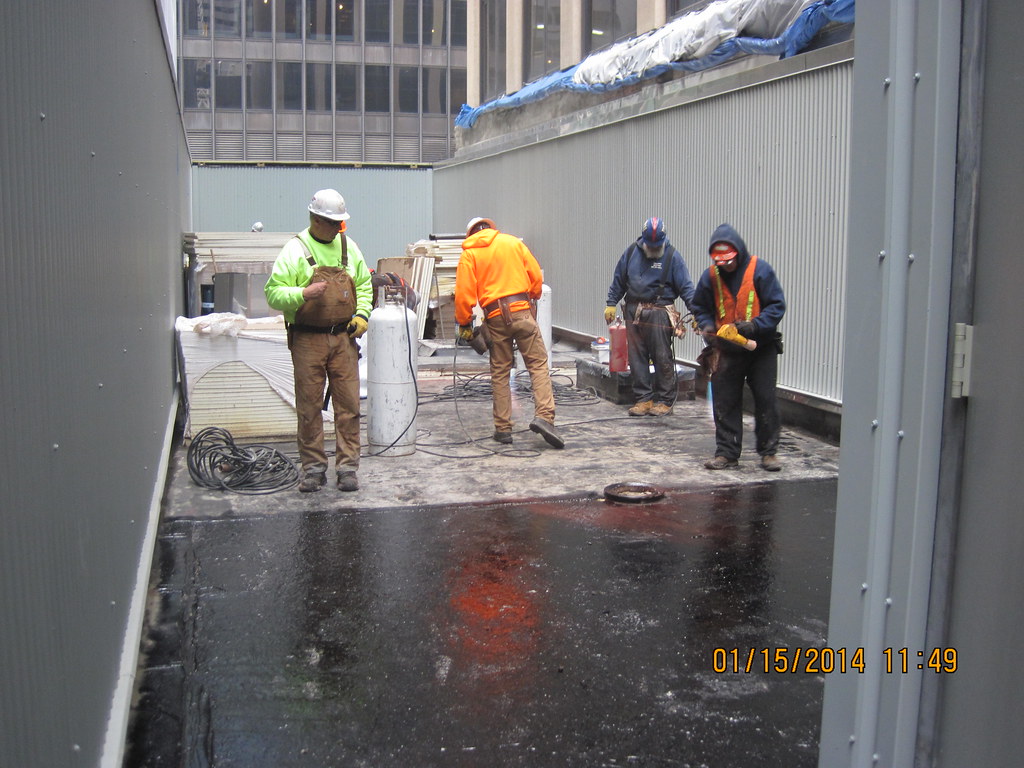
Florida does not have a state OSHA plan. Roofing safety is enforced by federal OSHA Region 4, based in Atlanta, under regulations requiring fall protection for any work six feet or more above a lower level. For residential roofing, employers must provide guardrail systems, safety nets, or personal fall arrest systems on every job. An employer who arrives at a job site with no fall protection equipment is violating federal law - and signaling something worth taking seriously before you climb onto that roof.
What your employer is required to provide under federal OSHA for roofing work:
- Personal fall arrest system - harness, lanyard, and anchor point - or an equivalent guardrail system for the specific roof configuration
- A site-specific fall protection plan if using an alternative method on low-slope surfaces
- Training on fall hazards before workers go onto the roof for the first time on any new job
- Hard hats in work zones where falling objects, tools, or materials are a hazard below
- Adequate hydration and shade access under Florida heat illness prevention standards, enforced during summer months
Workers' Compensation
Florida law requires every roofing employer with even one employee to carry workers' compensation coverage. The workers' comp classification code for roofing carries one of the highest premium rates in the standard manual, reflecting the elevated injury risk of the work. That rate affects how employers budget headcount - it is part of why legitimate roofing employers price their labor conservatively, and why an employer claiming workers' comp does not apply to their situation is likely misclassifying workers as independent contractors to avoid the cost. Workers misclassified as 1099 contractors have no coverage if they are injured on a roof. Florida construction law sets strict standards for who legally qualifies as an independent contractor; verify any 1099 arrangement with the Florida Division of Workers' Compensation at myfloridacfo.com/Division/WC before accepting it.
Training, Certifications, and Apprenticeships That Give You an Edge
ABC Institute Apprenticeship
The Associated Builders and Contractors (ABC) Institute offers a two-year roofing apprenticeship combining 144 classroom hours with 2,000 on-the-job training hours per year. Graduates earn a State Certified Roofing Technician Certification recognized by the Florida Department of Education, the U.S. Department of Labor, and the Department of Veterans Affairs - which means eligible veterans can apply GI Bill education benefits toward the cost. The on-the-job hours also count toward the experience requirement for the CCC exam, making the apprenticeship a direct path to licensure rather than just a credential. Find the Tampa Bay chapter at abc.org and ask about current cohort start dates.
NCCER and NRCA PROCertification
The National Center for Construction Education and Research (NCCER) offers a roofing training module that is industry-recognized and portable across employers and states. NCCER credentials show up as a preference on commercial roofing job postings and signal structured training to larger contractors. The National Roofing Contractors Association (NRCA) offers PROCertification, a performance-based credential that tests actual roofing skills rather than written knowledge alone. Larger contractors increasingly require NRCA credentials for insurance and bonding documentation on commercial work. Neither is required to get hired, but both accelerate movement off the entry-level pay tier and make you visible to employers who do not advertise on the major job boards.
Local Employers Hiring in Pasco County and the Tampa Bay Area
Roofing in Tampa Bay is not concentrated in one or two large companies. The industry runs on a mix of large regional contractors, mid-size specialty firms, and small owner-operator businesses. This means job opportunities are dispersed across dozens of employers rather than clustered in a handful of HR departments - which is both an opportunity and a challenge for job seekers. Many roofing companies in Pasco County hire almost entirely by word of mouth or by people walking in. Drive through active construction zones in Wesley Chapel, Zephyrhills, or Land O' Lakes and note the company names on trucks and job site signs. That list is a direct contact sheet of employers who are actively working and hiring, and calling them directly produces faster results than submitting to an online application portal.
Storm restoration companies are a distinct employer category from residential re-roofing firms. After a storm, national storm-chasing operations set up temporary offices across Tampa Bay, hiring locally for field labor and sales. These jobs can pay well but end when the claims work in an area dries up. For stable, year-round employment, local residential and commercial contractors serving the new construction pipeline offer more reliable continuity. When evaluating any roofing employer, check their CCC license status at myfloridalicense.com. A company that cannot produce an active CCC - or cannot name the licensed individual pulling permits on each job - is a warning sign: work may be proceeding without proper permits, which creates legal exposure for everyone on site, not just the contractor.
Job Boards, Licensing Resources, and Next Steps
- Indeed and ZipRecruiter: search "roofing helper," "roofing installer," or "roofing estimator" filtered to Tampa, New Port Richey, or Wesley Chapel for the most relevant postings
- Craigslist (tampa.craigslist.org, skilled trades section): many small roofing companies post here and do not list on major boards - check it separately
- Florida DBPR contractor license lookup: myfloridalicense.com - verify any employer's CCC license type, status, and expiration before accepting work under it
- ABC Institute roofing apprenticeship: abc.org - find the Tampa Bay chapter and inquire about current cohorts and VA benefit eligibility
- Pasco County Building Department: pascocountyfl.net - permits, inspection schedules, and fee information for the county's active construction pipeline
- Florida Division of Workers' Compensation: myfloridacfo.com/Division/WC - classification guidance, employer coverage lookup, and worker rights information
- Federal OSHA Region 4: osha.gov - roofing safety standards and worker rights under federal enforcement in Florida
- BLS Occupational Outlook for Roofers: bls.gov/ooh/construction-and-extraction/roofers - national wage data and 10-year employment projections updated annually
The national roofing contractor industry reached nearly $100 billion in revenue in 2025, with consistent annual growth over the prior five years. The 5 percent job growth projected through 2035 - faster than average across all occupations - points to roughly 12,000 new openings per year nationally, with the Tampa Bay market running well above that pace given Pasco County's construction activity alone. The entry point is accessible, the ceiling is genuinely high, and the combination of hurricane exposure, mandatory permitting, and explosive new residential development makes this one of the most favorable local environments in the country to build a roofing career.
Frequently Asked Questions
Do I need any certification to get a roofing job in Florida?
No certification is required to work as a helper or laborer. Employers in Tampa Bay hire entry-level workers with no experience and train on the job from day one. The Florida CCC license is required to run your own company or pull permits, but workers employed by a licensed contractor do not need their own license to work on roofs legally.
What is the difference between a Registered and a Certified roofing contractor license in Florida?
A Registered (RC) roofing contractor license is valid only in the county or municipality that issued it. A Certified (CCC) roofing contractor license is a statewide credential valid anywhere in Florida. For anyone working across the Tampa Bay area - which spans Pasco, Hillsborough, and Pinellas counties - only the CCC covers every job site. You can verify the type and current status of any contractor license at myfloridalicense.com.
How long does it take to get a Florida CCC roofing license?
The minimum experience requirement is four years, with at least one year in a supervisory role - that clock starts the day you begin working in the trade. Once you have that experience documented and pass both required exams, the application and state approval process typically takes roughly three months. Current processing timelines and application requirements are posted at myfloridalicense.com and do change periodically, so check before you plan your schedule.
Is roofing work in Tampa Bay consistent year-round or mostly seasonal after storms?
Work is consistent year-round. Pasco County's permit data shows steady monthly activity that does not stop between storm seasons - the new residential construction pipeline in Wesley Chapel and Land O' Lakes runs independent of hurricanes. Storm damage work adds spikes of intense activity, but the county's permit requirement for every roofing replacement creates a baseline of inspected, contracted work that sustains local crews even in calm weather years.
Can veterans use GI Bill benefits for roofing training in Florida?
Yes. The ABC Institute's roofing apprenticeship program is approved by the Department of Veterans Affairs, which means eligible veterans can apply GI Bill education benefits toward the program's costs. Contact the ABC Tampa Bay chapter through abc.org for current enrollment details, cohort start dates, and the specific process for submitting VA benefit claims for the program.
What does the workers' comp requirement mean for me as a roofing employee?
Florida law requires every roofing employer with even one employee to carry workers' compensation coverage, so a legitimate employer covers you if you are injured on the job. If a company asks you to work as a 1099 independent contractor to avoid this requirement, verify the classification carefully - Florida construction law sets strict standards for who legally qualifies as an independent contractor in this trade, and misclassification leaves you without coverage and personally responsible for self-employment taxes. The Florida Division of Workers' Compensation at myfloridacfo.com/Division/WC can walk through the rules and help you check whether a specific employer carries active coverage.